
lophophora williamsii Botanical Profile
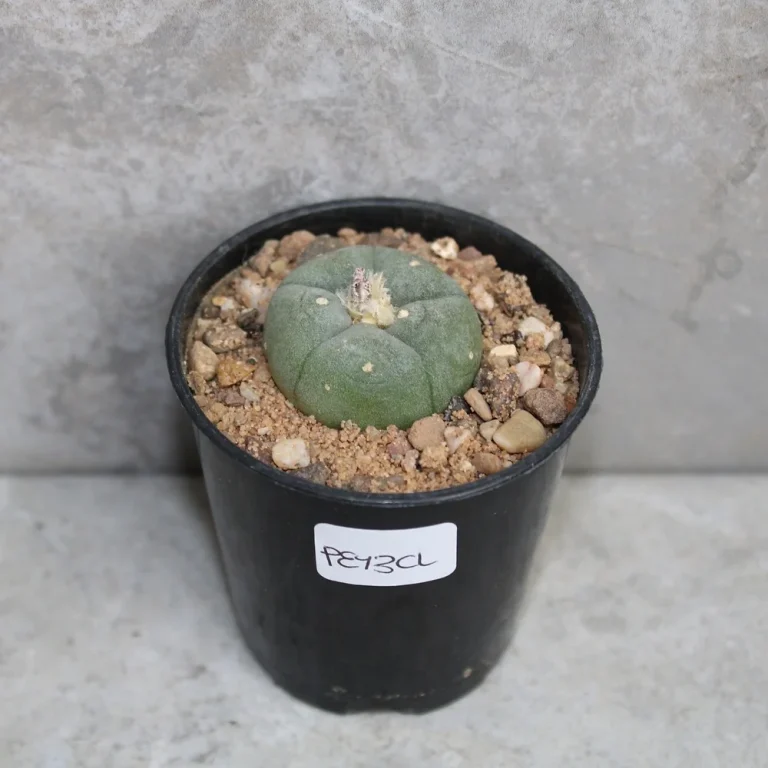
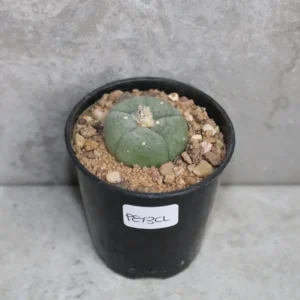
lophophora williamsii is a small, slow-growing cactus species native to northern Mexico and parts of southern Texas. Botanists recognize it for its rounded, spineless body and soft blue-green coloration. The plant grows low to the ground and often appears partially buried in its natural desert habitat. Its compact form helps it conserve water and survive in harsh, dry climates.
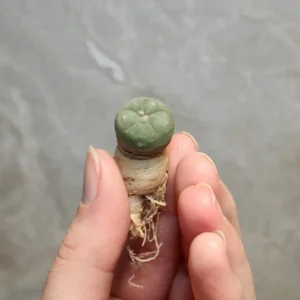
This species belongs to the Cactaceae family and develops a thick taproot that stores moisture during extended drought periods. During the growing season, mature plants may produce delicate pink flowers that emerge from the crown, followed by small seed pods.
Natural Habitat
lophophora williamsii thrives in limestone-rich soils with excellent drainage. It prefers bright light, warm daytime temperatures, and cooler nights. In the wild, it blends into rocky terrain, which provides protection from predators and extreme sun exposure.
For ornamental cultivation where permitted by local law, growers recreate these natural conditions using gritty cactus substrate and controlled watering schedules. Proper drainage remains essential because excess moisture can damage the root system.
Key Features
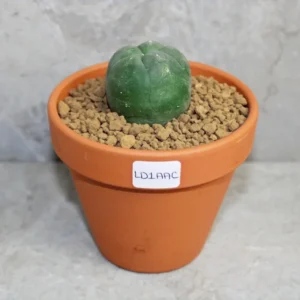
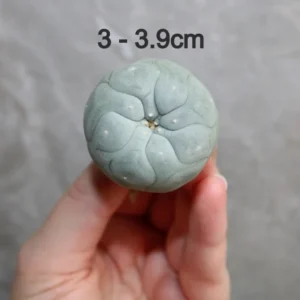
lophophora williamsii forms a spineless, button-shaped cactus
Displays soft blue-green or grey tones
Produces small pink flowers in season
Develops a strong taproot for water storage
Adapts to arid, limestone desert environments
Grows slowly and maintains compact size
Reviews
There are no reviews yet.