
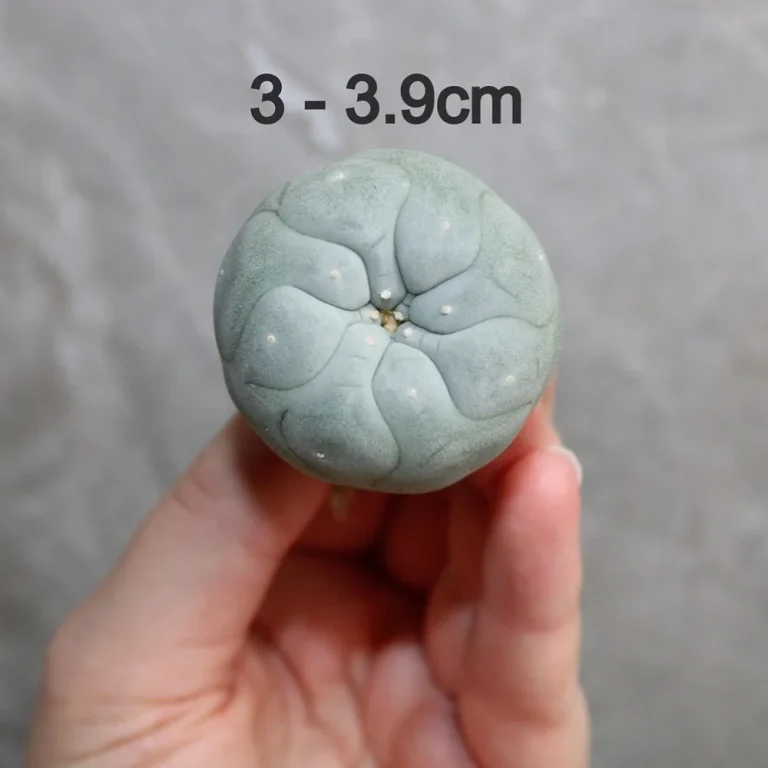
Peyote sale
Peyote sale is a phrase often searched online by people looking to understand the cactus commonly known as peyote. Peyote refers to a small, spineless cactus scientifically classified as Lophophora williamsii. It grows naturally in parts of northern Mexico and the southwestern United States. This cactus has drawn attention for centuries due to its cultural, botanical, and spiritual significance.
Researchers describe peyote as a slow growing desert plant that forms low, rounded crowns close to the ground. It thrives in limestone rich soils and survives harsh climates by storing water in its thick tissue. Because of its slow growth rate, wild populations remain vulnerable to overharvesting and habitat loss.
Botanical Information
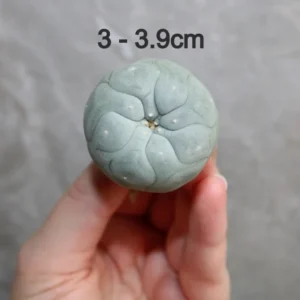
Peyote’s a small cactus that doesn’t bother with spines just sits close to the ground, looking kind of like a green button half-buried in the dirt. That low, tucked-in shape really helps it hang on in the desert, saving water and dealing with all that sun and heat.
Dig down, and you’ll find a thick taproot. That’s the plant’s secret stash for water and nutrients, letting peyote ride out those long, dry spells and bounce back when it finally rains. Up top, it’s got these rounded ribs and a smooth blue-green or grey-green skin. No spines, just little tufts of soft hair (they call them areoles), mostly near the middle.
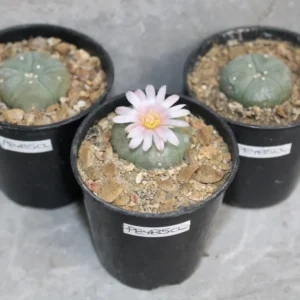
Give it a few years and the right season, and peyote pops out these small pink flowers sometimes pale, sometimes a bit deeper in color. After that, you might spot tiny fruit with seeds inside. Out in the wild, peyote likes rocky, mineral-rich soil usually where there’s a lot of limestone and it deals well with big swings between hot days and cool nights.
Thing is, peyote grows painfully slow and really depends on undisturbed desert habitat. It doesn’t take much to throw it off balance. Over-harvesting and habitat loss are real problems. That’s why, in places where it’s legal, some people grow peyote in controlled settings. The goal? Take the pressure off wild plants by growing new ones from seed, not digging them up from their natural home.
Key Facts About Peyote sale Searches
Peyote sale relates to Lophophora williamsii
Native to Mexico and parts of Texas
Slow growing and vulnerable in the wild
Subject to strict legal regulations in many regions
Recognized for cultural and historical importance
Requires conservation focused awareness
Reviews
There are no reviews yet.